 Skip to main content
Handyman App Development: Features, Cost & Complete Business Guide

With the rise of a handyman app platform, utilizing a set of skilled workers and customers looking for quick fixes, this is, in fact, growing, and clever entrepreneurs are pocketing cash. Best suited for startup founders, business owners & developers interested in venturing into this multi-million dollar space or gaining insights in building a successful on-demand service platform.
From basic booking features to smart matching systems, we’re going to break down all the key elements in making handyman apps attractive, profitable & sticky. You’ll also discover a cost breakdown that details everything from initial development to continued maintenance, as well as proven revenue models that transform your app into a money-making machine.
Understanding the Handyman Services Market Opportunity
Growing Demand for On-Demand Home Services
The home services sector has grown like never before, with busy homeowners seeking reliable handyman service through mobile applications. Current consumers want on-the-spot solutions, driving the need for platforms that can get them in touch with eligible professionals within hours rather than days. As consumers prioritize convenience over other service attributes, there is a huge opportunity for entrepreneurs to create an on-demand app that taps into this emerging market segment, like designing a handyman turn-key solution.
Market Size and Revenue Potential
The global home services market hit $574 billion in 2026, and digital platforms are garnering an ever larger percentage of transaction share. Industry reports indicate that on-demand home services will grow at 17% a year through 2028, making the handyman segment a significant revenue opportunity for the app to maintain its position in the industry. Most successful platforms earn revenue from service commissions (15-25%), subscription fees, or charge service providers for premium listings.
Target Customer Demographics and Pain Points
You are primarily aimed at working professionals within the range of 25-45 years, homeowners with some disposable income, and senior citizens who need help in maintaining their homes. Across these customers, there is a common pain — access to honest contractors, opaque pricing and scheduling for services, and poor communication throughout service delivery. Specialty vetted professionals, payment before service with upfront pricing, and scheduling with live updates. This is where the use case for the smart handyman app comes in.
Competitive Landscape Analysis
The handyman app category is highly competitive and among the strongest players in TaskRabbit, Thumbtack, and Handy. Simply put, TaskRabbit is for locating hourly workers who are good at what they do, while Thumbtack is a sort of customer/ individual lead generation waiting to access professionals in your geo-location. New entrants target discrete services, better user experiences, or regional issues. This creates an opportunity for brand-new handyman apps targeting specializations that are presently underserved.
Essential Features for Your Handyman App
User Registration and Profile Management
A seamless onboarding experience is what you could use for setting up the success of your handyman app. Users need to sign up using an Email, Phone number, or their Social media accounts. Basic profile information like contact info, service history, and customer preferences should populate your customer profiles. Handyman profiles require skill certifications along with portfolio photos, background verification, and rating systems.
Service Booking and Scheduling System
The central piece that governs the functions of your app, the booking engine, allows users to book in real-time by selecting services and time slots, as well as receiving approval. Smart Scheduling uses real-time updates to avoid double-bookings. Flexibility is also essential when creating a utilization-based business. Recurring bookings, the ability to create successful emergency requests, and customizing your service allow for maintaining user engagement and catching them back on your platform.
Real-Time GPS Tracking and Navigation
Location-Based Services. In this on-demand handyman service, customers can get connected with local handymen and track jobs in real-time. Services like integration with GPS provide estimates of travel times, monitor progress on-site, and street addresses for handyman services. This makes for more trust and helps to reduce worries about how long service may take, especially in emergencies or when projects with deadlines are being delivered.
In-App Communication and Chat Support
Customers and handymen on the other end of a direct message do not have to get into phone tag while still providing professional service. New chat features include sharing photos of job details, sending voice messages for complex instructions, and automatically notifying you of changes to appointments. Push notifications help to inform all users without spamming them, and chat for customer support allows issues to be resolved rapidly.
Secure Payment Gateway Integration
Your handyman app’s security features only make or break the trust of the user. Instead, they provide you with other types of payment — credit cards, digital wallets, or even direct bank transfers. Automatic invoicing, tipping capability, split payment, and refund processing make transactions smoother. Encrypt sensitive financial data, as well as build trust with your users on a long-term basis, with PCI compliance.
Advanced Functionality to Maximize User Engagement
AI-Powered Service Recommendations
The machine learning algorithms change the way your users search for services in your handyman app. Recommended Read smart recommendation engines leverage machine learning, user behavior, location data, and service history to make recommendations of contractors/services. It then uses this information along with prior bookings, ratings, and seasonal trends to predict what a user needs before they even search. This level of customization drives higher booking rates by directly pairing customers with the right handymen based on their needs, budgetary constraints, and satisfaction levels from previous jobs.
Photo and Video Documentation Tools
Visual documentation features can assist customers and service providers in communicating project information effortlessly. The ability to use the camera that you have in your pocket every day provides you with before-and-after photos, documentation of any damages, and visual work orders that eliminate miscommunication. With video calling integration, handymen can now offer virtual consultations and troubleshooting from afar – helping cut down on unnecessary visits to the site. These multimedia tools not only create a detailed record of the project that can assist in insurance claims, warranty tracking, and quality assurance, but also build trust through transparency.
Rating and Review Management System
Review systems are essential drivers of quality control and user confidence within your handyman app platform. It is also the multi-criteria rating mechanism that allows customers to rate various aspects of a service, such as punctuality, craftsmanship, and communication. Automated review solicitors facilitate uniform feedback collection techniques while Service Level Agreement integration tools guide service providers to respond with professional tactics to the query. The system flags suspicious reviews and maintains rating authenticity through verified booking connections, creating a reliable reputation management framework that benefits both customers and contractors.
Technology Stack and Development Considerations
Native vs Cross-Platform Development Options
Building a Handyman App requires choosing between native improvements for iOS/Android one by one or going with solutions like React Native and Flutter. Native, on the other hand, while being more performant and offering platform-accurate features, comes with a very high cost that scales up even longer. Cross-platform frameworks allow a 40–60% reduction in the time of improvements with acceptable overall performance, so they are perfect for startups and MVPs.
The solid third-party library ecosystem and capacity to real-time features make React Native suitable for handyman apps. Flutter offers amazing UI consistency across structures but has fewer specialized libraries. Consider your budget, timeline, and performance imperatives as you make this important choice on your handyman supplier platform.
Backend Infrastructure and Database Requirements
Your handyman app wants a strong backend architecture to process real-time order requests, field monitoring, and payment processing. Cloud platforms such as AWS, Google Cloud, or Microsoft Azure provide scalable infrastructure with capabilities to scale automotive. Choose PostgreSQL or MongoDB for primary databases, with Redis for storing user sessions and ordering information.
The microservices structure works excellently for handyman systems, allowing impartial scaling of ordering, payment, and reporting offerings. Deploy load balancers and CDNs to create aggregate rapid-response timelines within the geographies that your artisan services belong.
Third-Party API Integrations
Some of the main APIs you need with Google Maps (Location), Stripe/PayPal (Payment), Twilio (SMS notifications). Email, SMS or Push notification services like Firebase Cloud Messaging are used for updating all types of booking status and handyman arrival message. Weather APIs help schedule outdoor services appropriately.
Social login APIs (Google, Facebook) simplify user registration while background check APIs verify handyman credentials automatically. Calendar APIs enable scheduling integration, and image compression APIs optimize before/after photos without affecting app performance.
Security and Data Protection Measures
Provide secure user authentication with OAuth 2.0 & JWT tokens, and implement role-based access — customer permissions separated from handyman ones Every piece of sensitive data should be encrypted using AES-256 encryption, both in transit over HTTPS, as well as when at rest.
Regular penetration tests and security audits for mobile vulnerabilities in your handyman platform Adhere to GDPR, CCPA and local laws pertaining to obtaining consent opt-in & erasure (right to be forgotten) Avoid having any credit cards literally in your databases and use secured payment gateways.
Comprehensive Cost Breakdown for App Development
MVP Development Costs and Timeline
A basic handyman app MVP includes the following features. User registration, service booking, and basic payment integration. Basic handyman app MVP cost ranges from $XX-$XXX on average. Development takes between 3 and 6 months with a small 2-3 developer team, depending on the platform of choice and complexity in features.
Advanced Feature Implementation Expenses
Real-time tracking, AI-powered matching, and integration of multi-payment gateways cost an additional $XXX-$XXXX to develop. On the other hand, video calling, chat functionality, and analytics dashboards tend to drive up costs if you go with an external provider since these features imply a dedicated speciality and longer development times.
Platform-Specific Development Costs
Platform | Cost Range | Timeline |
iOS Only | $20,000-$35,000 | 4-5 months |
Android Only | $18,000-$32,000 | 4-5 months |
Cross-platform | $25,000-$45,000 | 5-7 months |
Web Dashboard | $8,000-$15,000 | 2-3 months |
Ongoing Maintenance and Update Budgets
The general rule of thumb for annual maintenance costs is 15–20% of the initial development investment, mainly seeing bug fixing and security patching being delivered over a number of months, along with minor feature additions in intervals. Finally, $5,000-$12,000 a year should be reserved every year for maintaining your handyman app and updating Apple or Google compliance (submission updates) with your new data as well.
Revenue Models and Monetization Strategies
Commission-Based Revenue Structure
Smart revenue planning is key to building a successful handyman app, and if anything works with this type of platform, it is commission-based models. You can take a 15–25% commission from service providers for every completed job, aka your revenue increases as their business grows. In this model, you only earn money if your providers do too, which forces everyone to want to stay motivated and keep delivering top-quality service with high customer satisfaction rates.
Subscription Plans for Service Providers
The platform offers various subscription tiers in a monthly model, ensuring steady inflows of capital while granting handymen access to premium tools and overall visibility. Standard plans costing around $30–50/month tend to offer basic listings and transaction readings, while premium tiers running at $100–150 include priority placement, advanced scheduling instruments, and in-depth customer insights.
Premium Feature Offerings
The in-app purchases and improved experience offered premium features leading to additional revenue opportunities. Customers will pay for premium bookings, longer warranties or guarantees of same day service. Service providers could buy better profile features, marketing perks, or advanced customer management tools.
Launch Strategy and Market Penetration
Beta Testing and User Feedback Collection
Now, in this step, you are selecting a handful of your very first beta testers that will represent both the service providers and customers for your handyman app. Bring together a representative of 50–100 users from various demographics across geographic regions to gain insight into how the app works, responds, and bugs with use cases. Here, the aim is to identify pain points and opportunities for improvement; hence, try to get feedback channels by means of in-app surveys, focus groups, and one-on-one interviews. Write down your feedback systematically and prioritize the fixes based on how frequently a bug occurs, and how much does that hinder the user experience negatively.
Marketing Campaign Development
Iteratively roll out a multi-channel marketing strategy that lets you touch base with the correct service providers and customers at the perfect time. Quality content collected by readers such as a handyman-Customer Success Stories, Before-After project conversions and Testimonials. Start social media advertising campaigns anywhere your target customer is located (probably Facebook & Instagram for the average residential homeowner & LinkedIn for commercial prospect handymen). Look for organic outreach to 10-15 local home improvement stores, real estate agents and property management companies.
Service Provider Recruitment and Onboarding
Hire only licensed, seasoned professionals as handymen who have already built a name for themselves in the area. Your first network of service providers: Attend trade shows, partner with contractor associations, rule referral programs. Onboard quicker with background checks, license checks, and skills assessment. Training on how to use the app and customer service standards is important, so that customers can expect a similar level of quality regardless of which provider has been assigned to their booking.
Customer Acquisition Strategies
Start with a tactical promotional launch and referral bonus system to build initial momentum. Focus on homeowners using local FB groups, Nextdoor, and Real Estate Agent partnerships. Provide first-time user discounts and loyalty programs to repeat the booking. Design a strategy around Local first where you will get a head-start in very few identified locales and then slowly expand out thereafter when you think there are enough suppliers to meet the demand and meet with customer expectations that drive word-of-mouth.
Conclusion
Best handyman app — an impressive onboarding experience. Users must sign up using email, a mobile number, or their social media accounts. Your basic customer-related information, contact info, service history, and preferences.Though building a handyman app offers an actual chance to serve the demand for on-demand service. It focuses on balancing critical elements like simple booking and live tracking with innovative features such as AI-based suggestions and intelligent scheduling. The best development partner and tech stack will affect both the budget and long-term success. Choose carefully!
The handyman services have no sign of stopping any time soon and customers are familiarising themselves with digital experiences which they have been expecting to be more seamless. Things to keep in mind: build an app that serves service providers and customers, find a monetisation model that works for you, and chart a course on how you will get the product to market. Beginning with an average MVP, established it on user feedback and scaled slowly. Build in smart features, monetize your app wisely, and establish an unmistakable path to market: Your handyman app can find its very own unique success avenue in this promisingly crowded landscape.

Mohini Patel
Managing Director
Mohini Patel, with years of expertise in the IT and on-demand app industry, leads App Clone with a mission to support startups and enterprises through scalable, ready-made digital solutions. Her strong leadership, strategic mindset, and business insight drive innovation and ensure lasting client success across industries.
Explore Our Ready-Made On-Demand App Services
Explore our top-selling on-demand solutions and discover the perfect match for your business needs.






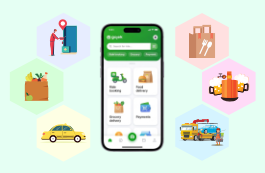

Grow your business quickly using our customizable Gojek Clone App and On-Demand App Clone. No matter your stage, we offer the right solution to help you launch and succeed.
Start Your Journey to Business Success Today!